One of the oldest and most universal techniques of meditation.
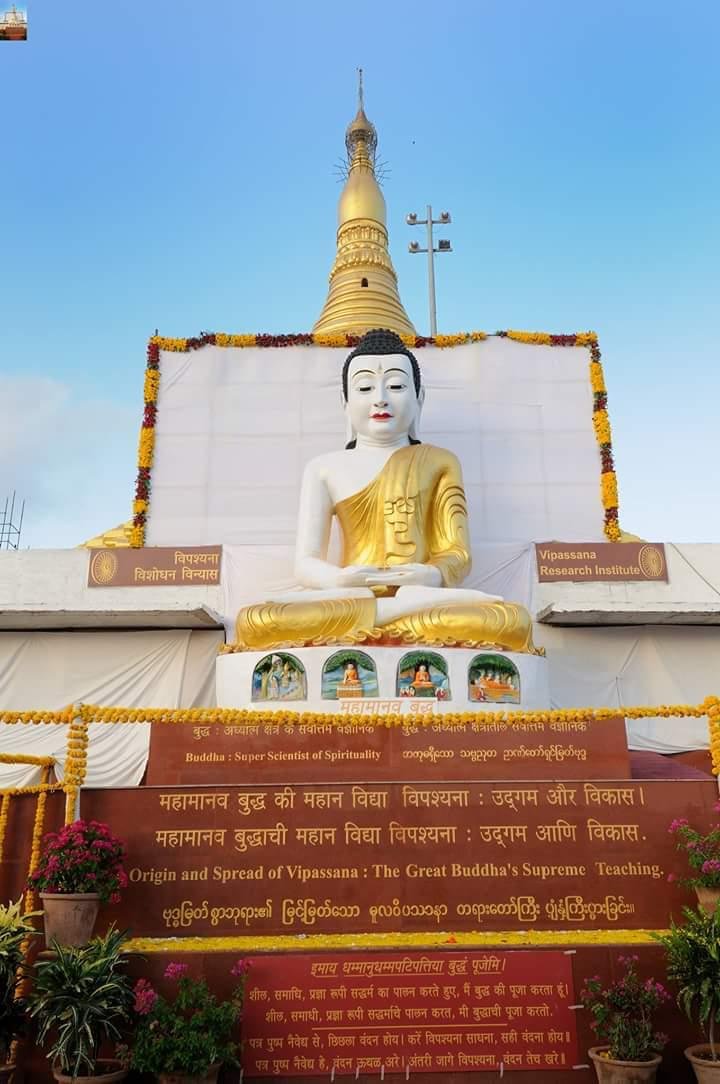
Vipassana is one of India's most ancient techniques of meditation. Long lost to most of humanity, it was rediscovered by Gotama the Buddha more than 2,500 years ago. Vipassana means — in the ancient Pali language of the Buddha — 'to see things as they really are.' It is the process of self-purification by self-observation.
The entire path is a universal remedy for universal problems, and has nothing to do with any organised religion or sectarianism.
— S.N. GoenkaThe technique originated with the Buddha but was not kept as a Buddhist practice — it was taught as a universal law of nature, applicable to all. For many centuries it flourished across the Indian subcontinent. Over time, however, it faded from India and most of the world.
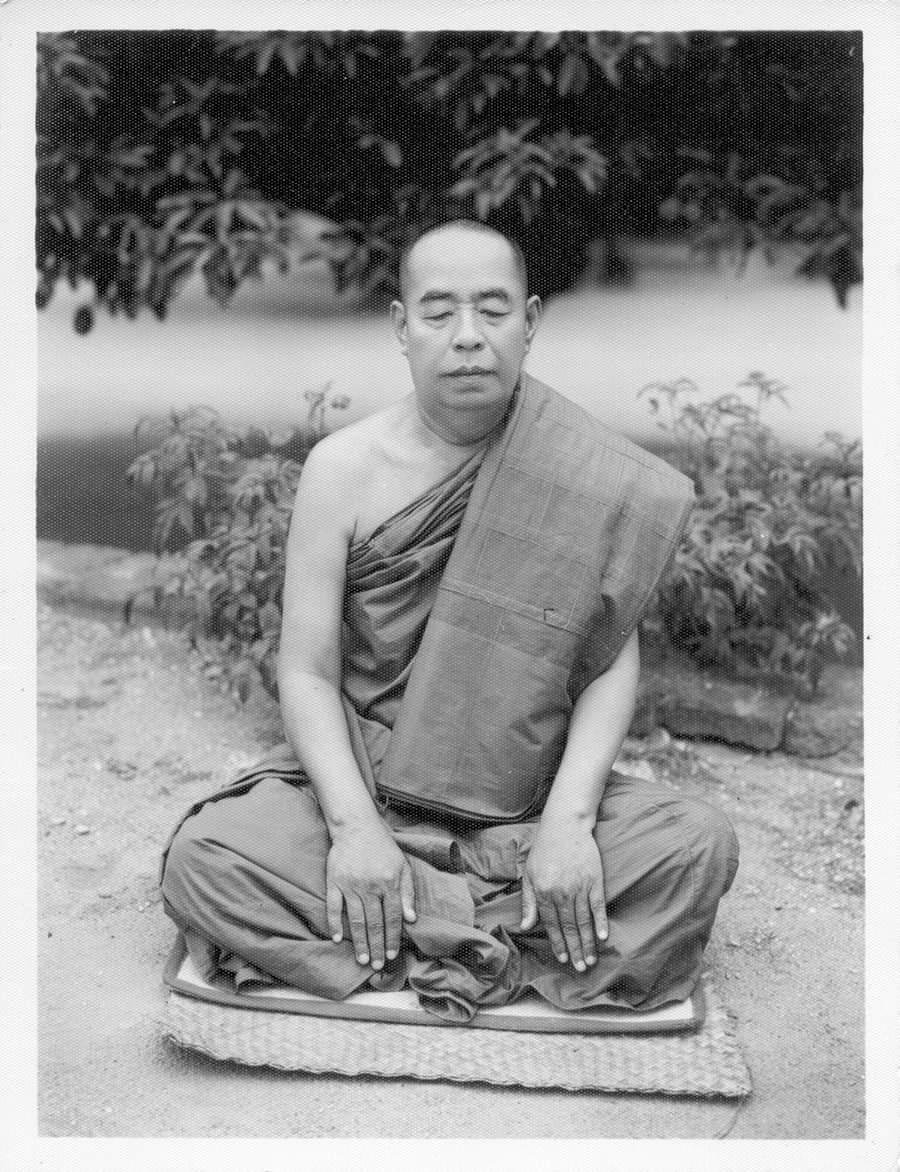
It survived intact only in Myanmar, preserved in an unbroken chain of teachers. In the twentieth century, Sayagyi U Ba Khin — a senior civil servant and a teacher of great depth — entrusted the technique to S.N. Goenka, an Indian businessman and community leader based in Rangoon.
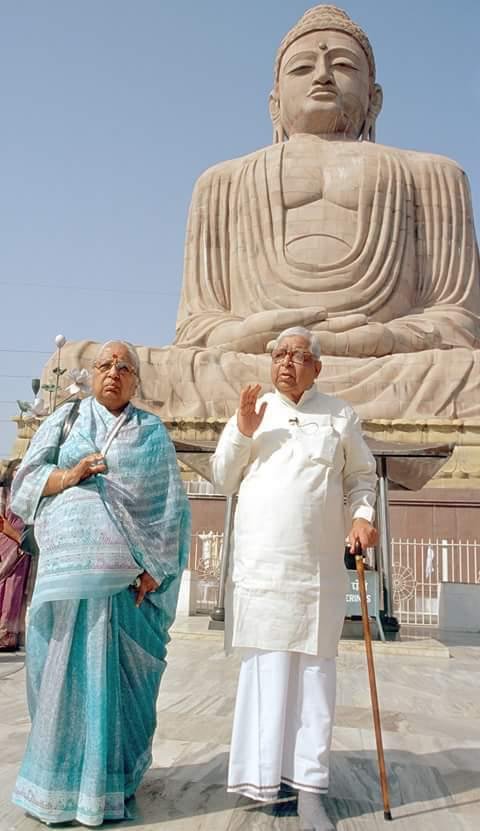
In 1969, S.N. Goenka returned to India and began teaching Vipassana there, reintroducing the technique to the land of its origin. Since then, millions of people from every background — Hindu, Muslim, Christian, Jewish, Buddhist, agnostic, atheist — have completed courses and benefited from the practice.
The teaching remains unchanged — and always free.
"Vipassana is not a religion. It is a science of mind and matter — observable, rational, and practical."
The unbroken lineage — from Gautama the Buddha to Ven. S. N. Goenka
The technique rests on three mutually supporting pillars:
For the duration of a course, students observe five ethical precepts: refraining from killing, stealing, sexual misconduct, lying, and intoxicants. This moral foundation calms the mind and creates the conditions for deep concentration.
Students begin by practising Anapana meditation — the observation of natural breath. This simple, objective practice gradually sharpens the attention until the mind becomes still enough to begin the real work.
With a concentrated mind, students observe physical sensations throughout the body with equanimity — neither craving pleasant sensations nor recoiling from unpleasant ones. This direct experience dissolves the deep habit patterns of the mind.
Anyone in good physical and mental health, aged eighteen or over, who is genuinely willing to follow the course schedule and code of discipline. The technique has been practised by people of every religion, culture, and walk of life. There is no conversion, no faith requirement, and no conflict with any existing belief system.